Profile
Kevin Mack: The Long Way Back
He built Australia's largest portfolio of tattoo and arts events, from Rites of Passage to the Australian Tattoo Expo, rebuilt Sexpo into an entertainment spectacular and carried a national portfolio through a pandemic. Then came the wrong investor. Kevin opens up about misinformation, depression, and never giving up on your passion, your integrity or the fight for justice.
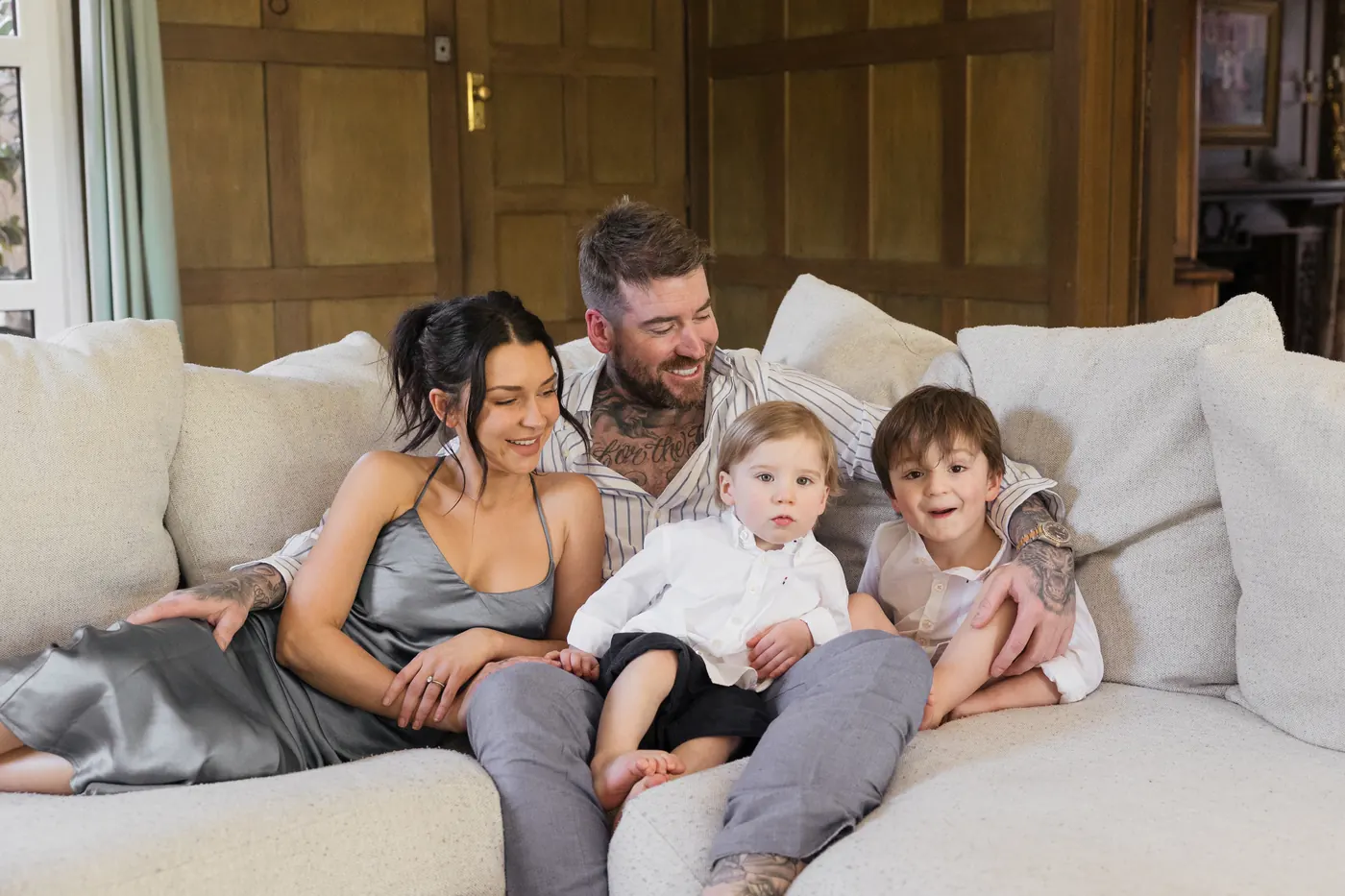
To understand Kevin Mack, it helps to start with his origin story: where he came from, what his plans were, and where he is headed.
From the age of 20 to 30, Kevin lived as a full-time athlete, racing motocross. He spent many of those years at a Red Bull facility in Cairo, Georgia, in the United States, until a life-changing injury to his spine altered the course of his life.
He had owned a tattoo studio, Full Moon Tattoo, in Prahran, Melbourne, since 2012, and from inside the industry he could see what was wrong with it: a shortfall in the distribution of tattoo supplies, a handful of suppliers holding the market, prices gouged to extraordinary levels, and tattoo events run by organisers with no connection to tattooing, to creative brand development or to the art itself.
So he launched Tatsup Tattoo Supplies, an online tattoo supply company. He sold his house and put everything he had into the startup, and the risk paid off. Kevin was credited with bringing the price of some consumable tattoo products down to a third of what they had been.
In his first year of trading he won Shopify's Build a Business competition. He was awarded $50,000, flown to New York, and mentored by Gary Vaynerchuk, Arianna Huffington and Daymond John.
A younger founder might have taken the win and kept moving in the same direction. Kevin instead turned toward something that had not worked for someone else: Rites of Passage, a tattoo festival launched by Claire Reed in 2012. Its first year had not been a financial success, it did not run at all in 2013, and by the time Kevin took it on it carried a substantial debt.
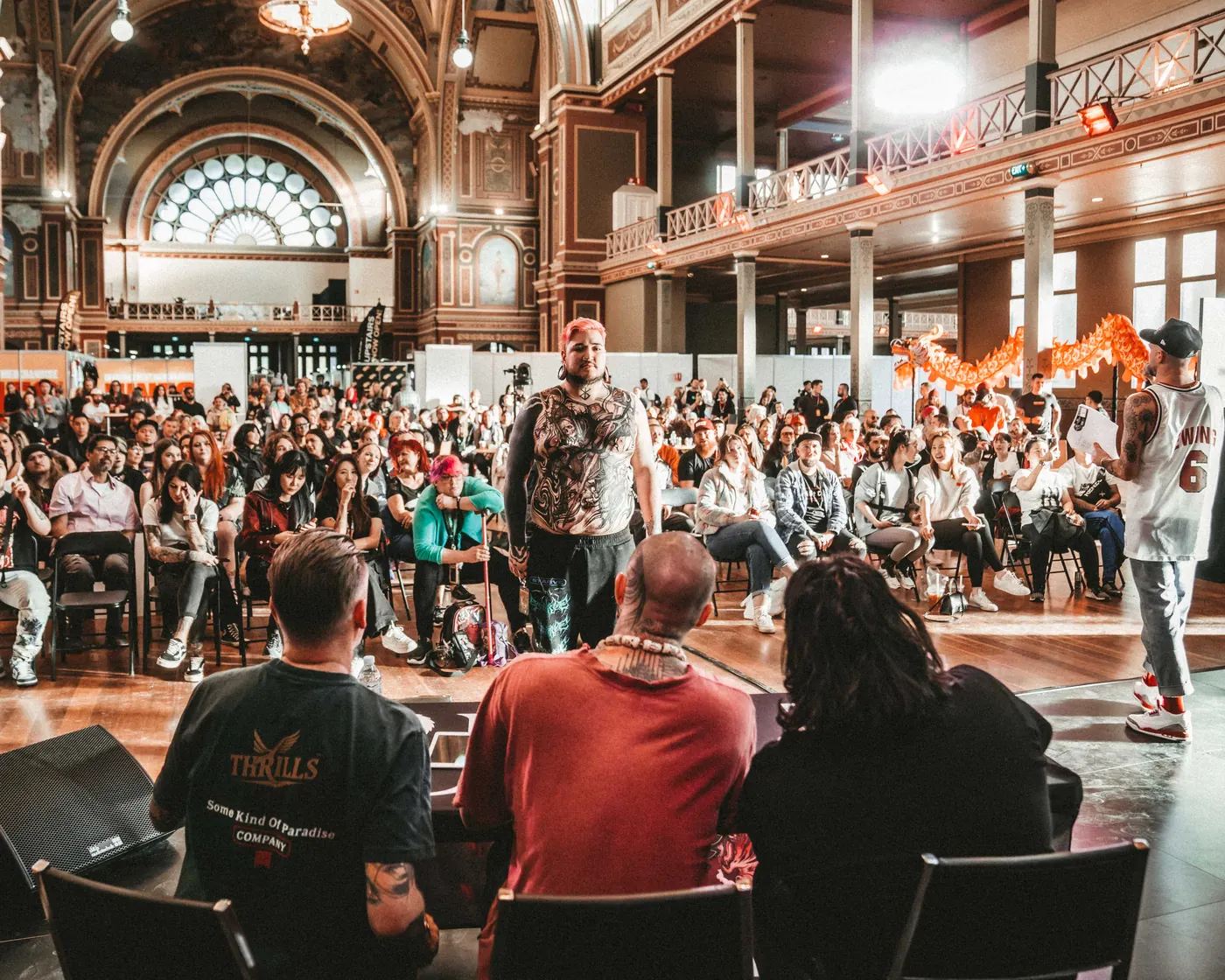
There is a particular kind of temperament that looks at someone else's failure and sees unfinished business rather than a verdict. Kevin has it. He revived the festival in 2014, from its first 130 exhibitors and 1,000 attendees, and built what would become a global titan of tattoo events, drawing more than 7,000 visitors and 400-plus exhibitors a year.
It became known for bringing the world's most renowned tattooists to Melbourne: Carlos Torres, Norm of Love Letters, Shige, Paul Booth, Jesse Smith, Jimmy Litwalk and Ink Master's Nikko Hurtado among them.
Expanding the portfolio
In 2015, Kevin entered a joint venture with Jane Ford, the director of Exhibitions and Events Australia, who had recently acquired the Australian Tattoo Expo and was looking to develop its brand and its connections within the industry.
He would eventually acquire the Australian Tattoo Expo portfolio outright and add shows in neighbouring states. It was the beginning of a new umbrella: Australian Exhibitions.*
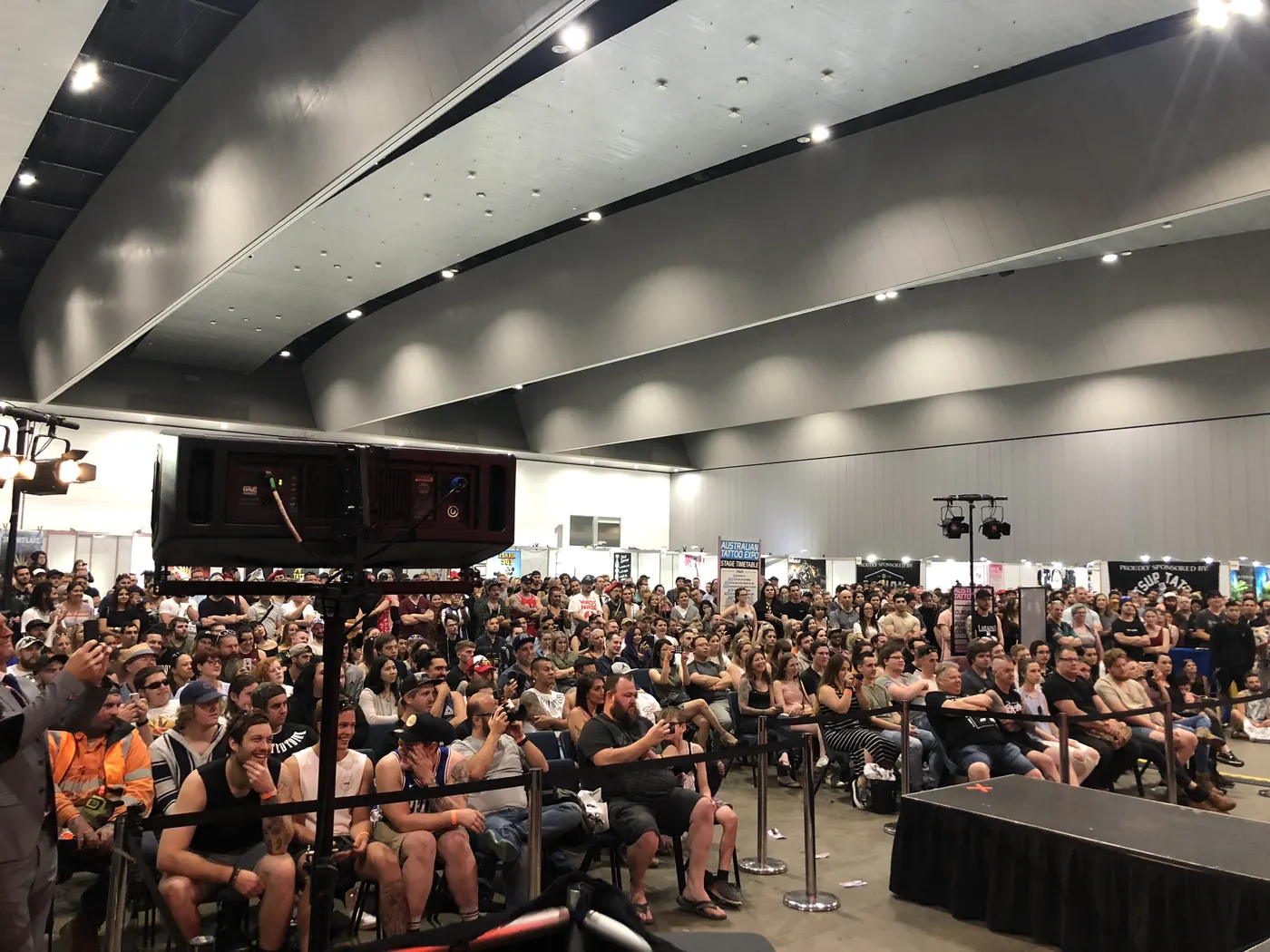
Between 2016 and 2019 the portfolio grew attendance by 42 per cent year on year, and exhibitor and vendor participation by a cumulative 37 per cent.
Kevin was not finished. If there is a thread running through everything he has built, it is an attraction to the unusual: to subcultures, to individual expression, to the communities that form at the edges of the mainstream and are often underestimated by it.
So when Sexpo came onto his radar, it made a certain sense. Once among the largest consumer exhibitions in the country, hosting more than 65,000 visitors in a single weekend, the brand had been in decline for some years. In 2018 he acquired it and began a complete rebuild of its brand, its entertainment and its mission.
By the end of 2019 the company had doubled its headcount and moved into a 600-square-metre office in Hawthorn, in Melbourne's inner east. Ten events were on the calendar for 2020, among them the Australian Tattoo Expo, the Rites of Passage Tattoo Festival, the Tech and Gadget Expo and Sexpo. It was shaping up to be the biggest year the company had ever had.
March 2020: the pandemic arrives
The first event of the year was the Australian Tattoo Expo in Sydney. Two weeks before its doors were due to open, Melbourne went into lockdown and every event on the calendar was postponed, with no date to postpone it to.
Kevin describes it as the hardest obstacle of his working life to that point. Everyone suffered in the pandemic. Business owners faced a problem none of them had met before and were forced to weather a storm that was clearly going to topple many boats.
Hero to villain
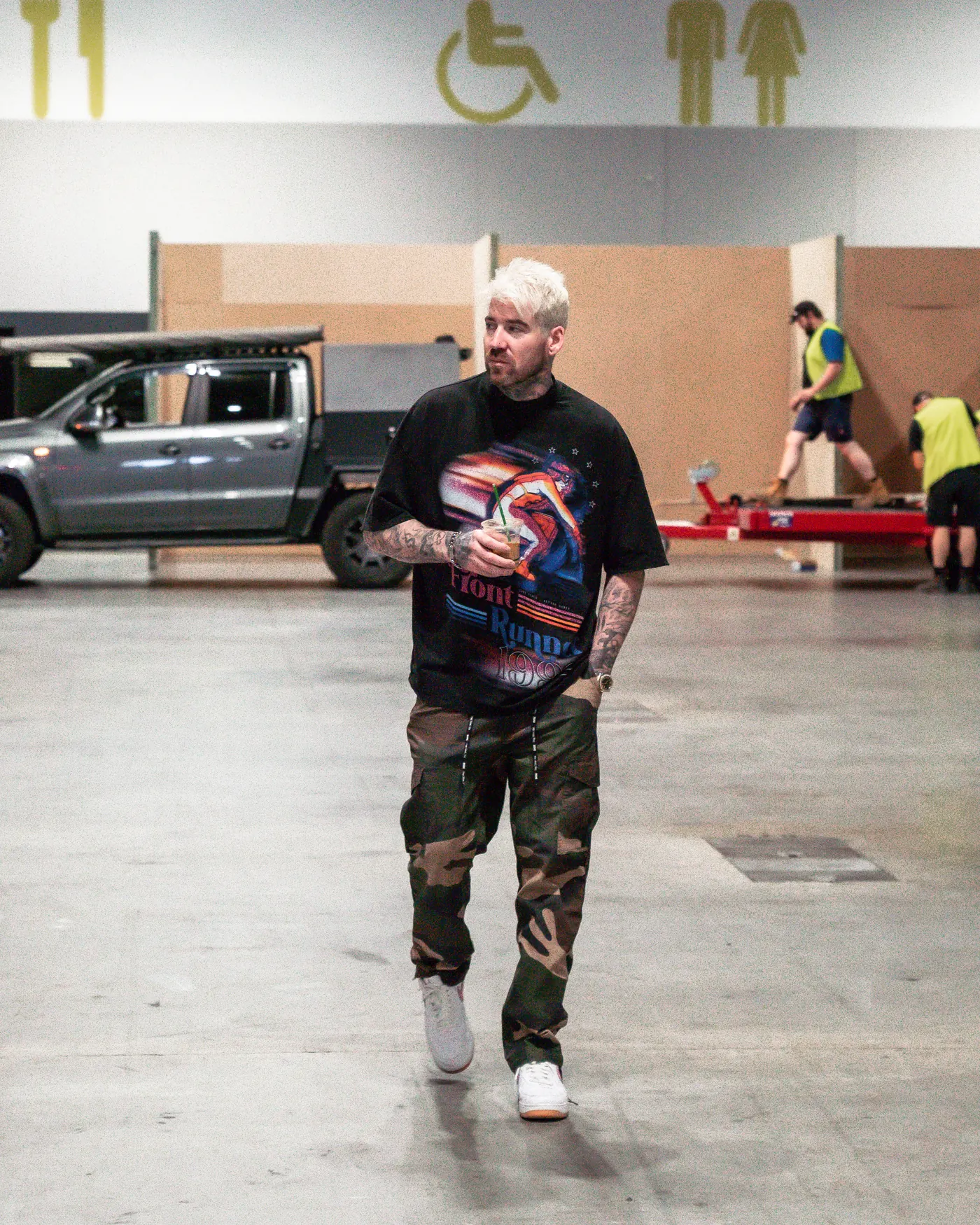
A company the industry had embraced as a leader found itself, almost overnight, the object of its anger. Long-standing customers who had adored the events became furious about refunds, about dates, about silence. "Surviving the pandemic was psychologically far harder than the financial burden," Kevin says, "and the financial burden was real. It left a scar on my public identity, and I think you'd find the same scar on event organisers all over the world."
"Integrity shows up in actions, not words," he says, and the actions were unglamorous: honouring every booth sale, paying every creditor, making good on every ticket. By 2022 the company was back to full operations and had grown to twelve national exhibitions. He says this without triumph. He is quick to add that many good businesses, some decades old, did not make it out, and that this was no reflection on the people who ran them.
We were flying
If 2020 and 2021 were about survival, 2022 and 2023 were about proving that the survival had been worth it. They were the most aggressive growth years of Kevin's career.
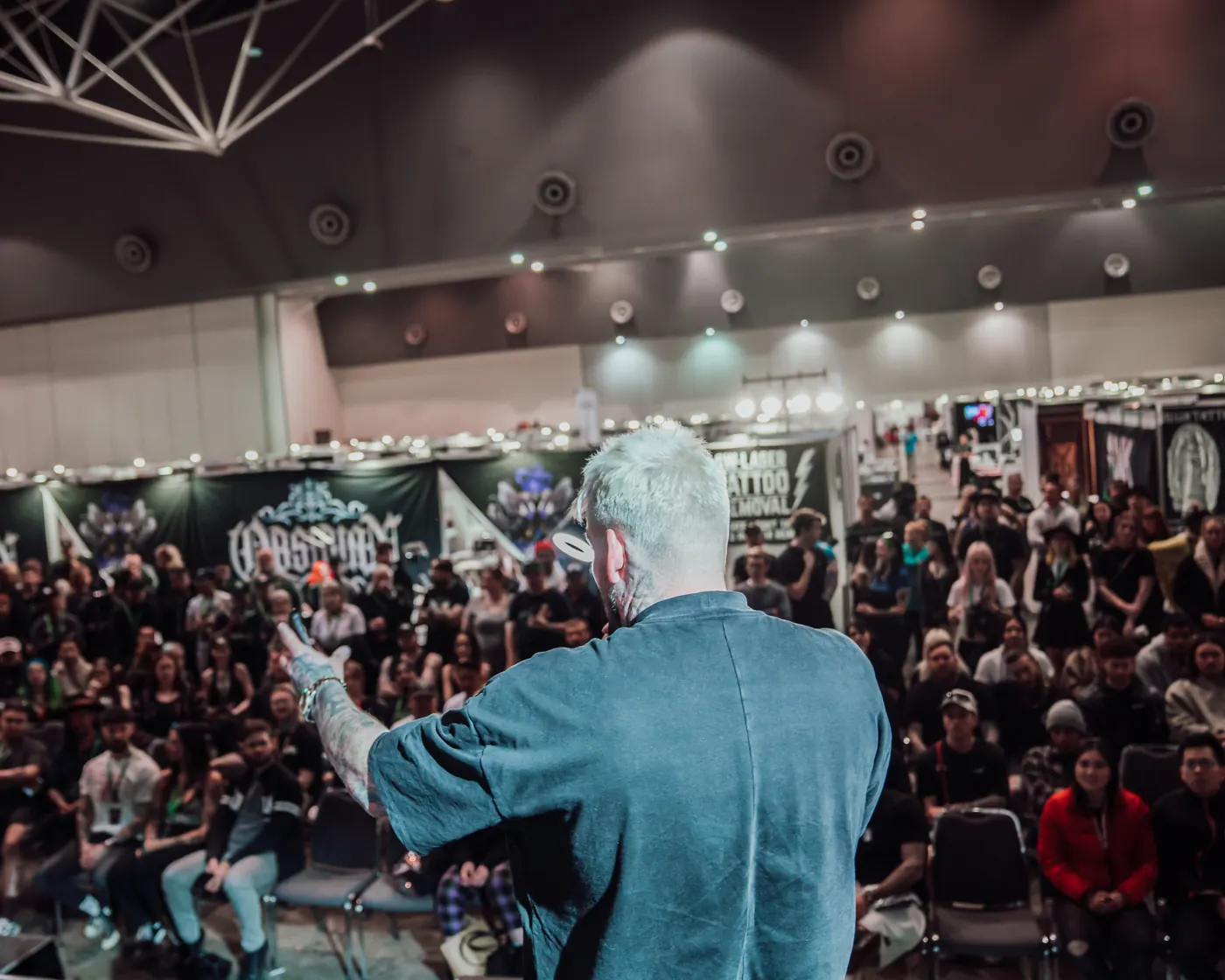
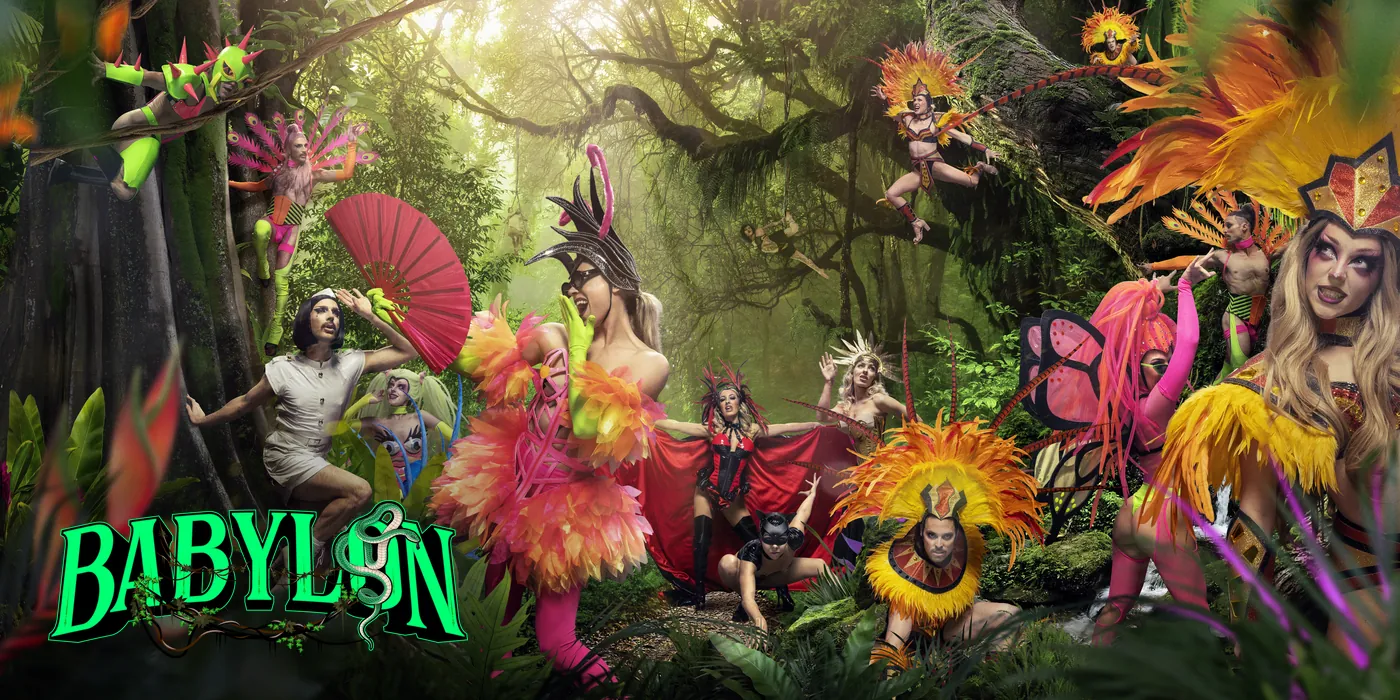
The portfolio expanded to as many as fifteen national exhibitions. The company developed Babylon Live, a stage show that became a draw in its own right. And Sexpo, which had been losing money or sliding under previous management for four years, was by 2023 fully reinvented as an inclusive, creator-led entertainment brand, and one of the most profitable events in the group.
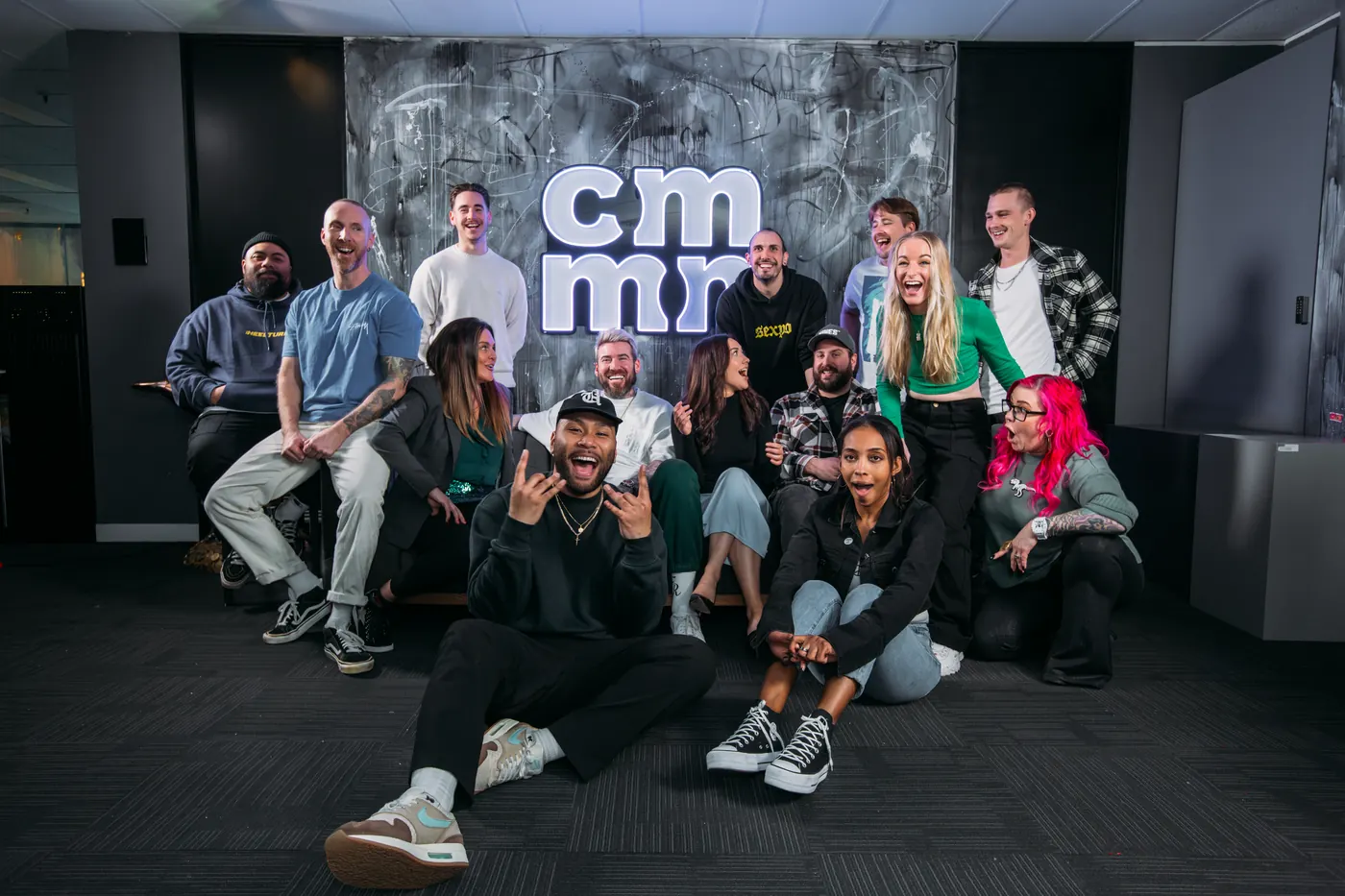
By early 2024 the company was scaling from $5 million in annual recurring revenue toward $10 million, with a team of more than sixteen.
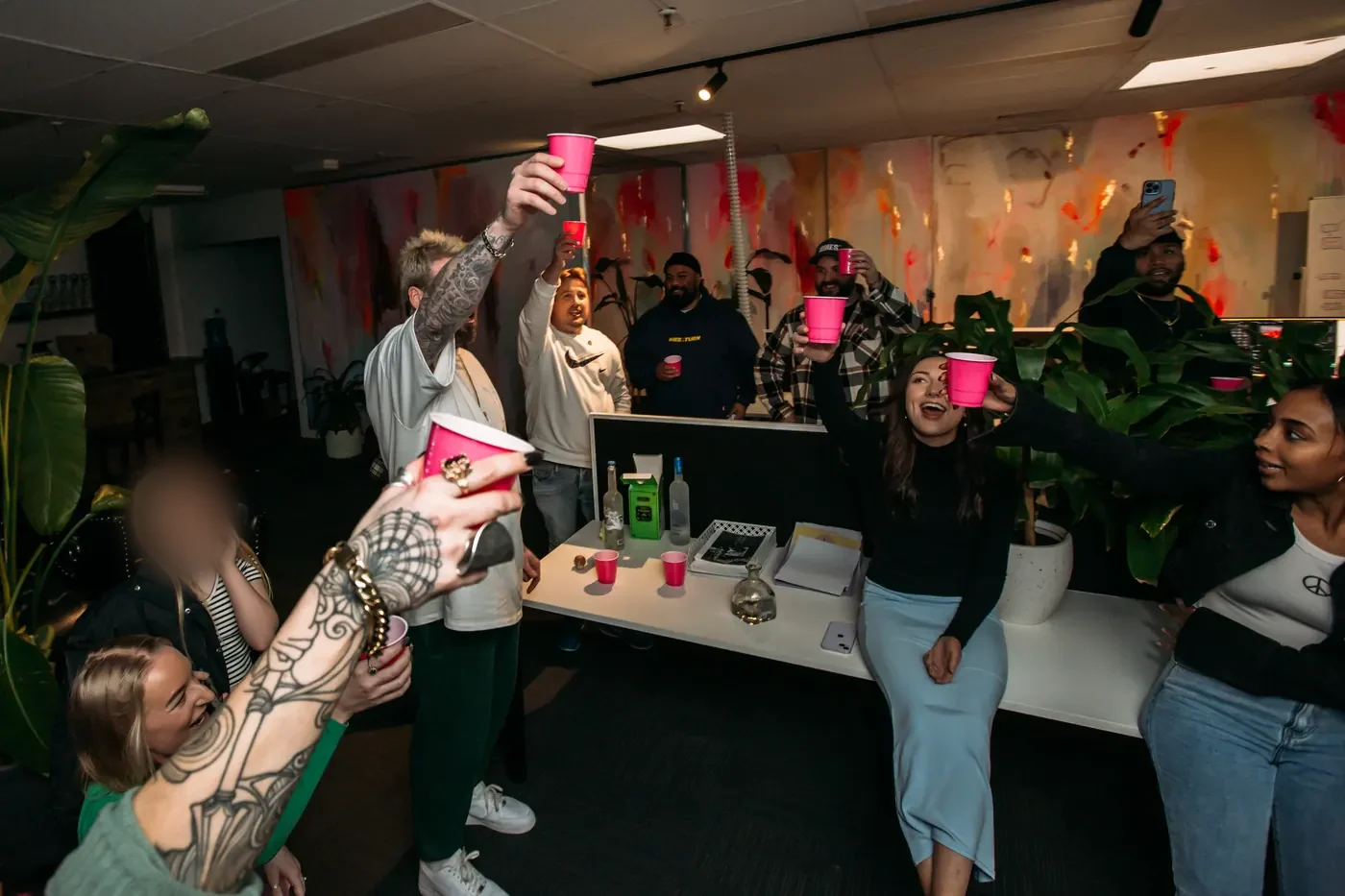
He had, by his own account, built the workplace he had always wanted: somewhere staff could grow, feel they belonged, invest in their careers, and be part of something with a payoff beyond a salary. On weekends they travelled the country to join the exhibitors, sponsors and suppliers they had worked with all year to build those events. The reward was in the results: the happy patrons and the successful exhibitors.
The wrong investor. Gradually, then suddenly.
The pandemic turned out not to be the last crisis, only the first.
In 2023, Kevin was approached by an investor named Frankie Ngo. In Kevin's telling, Mr Ngo arrived with what looked like admiration: for the brands, for the portfolio, for what had been built out of so little. He expressed an interest in investing quietly, as a silent partner. After six months of due diligence, he became an investor in the group through an investment vehicle, True Road Pty Ltd.
Kevin says the relationship changed within months. In May 2024, he says, the company's trading accounts were restricted. The practical effect was immediate: a business that depends on cash flow to stage events could no longer reach its own money.
So he funded the operations himself. Through the months that followed, while contesting the winding-up application, he kept the company running and delivered three major events: the Australian Tattoo Expo in Brisbane, the Australian Tattoo Expo in Perth, and Sexpo in Sydney. The Sydney show sold out.
Days later, he says, the accounts were restricted a second time. This was the point at which the arithmetic stopped working. He could keep paying for a legal fight and the company's operations, or he could support his young family. He could not do both. The companies were wound up on 23 October 2024, on the application Mr Ngo had brought.
In 2025 the Australian Tattoo Expo was sold out of the liquidation. It now runs under a new company of Mr Ngo's, the Uncharted Group, and a profile of Mr Ngo published by UAE Stories counts "building one of Australia's largest tattoo expos" among his major achievements. Kevin’s view is that the sequence speaks for itself: an investor applies to wind the group up, and the group’s best-known show is then sold out of the liquidation to a company of that investor’s own. It is what the public commonly calls phoenixing. Kevin has lodged multiple reports with ASIC seeking a formal investigation.
"To me, this was my life's work, my identity and my passion," he says. "Win, lose or draw, this is what I woke up and did every day. To Mr Ngo, this was just a strategy."
A country life it is
Having spent the family's savings keeping the company alive through the legal battle, Kevin moved them to regional Victoria. His third child, Kendall, was born there just months after the winding-up orders went through. He speaks about the timing with a kind of deliberate calm. Whatever was happening in the courts and the trade press, he wanted her to arrive into a quiet house.
He is honest that the years since have been the most personally difficult of his life. He is equally honest that they have been among the most rewarding. For the first time, there was nothing to do but be a father: homeschooling, long days, the ordinary labour of raising small children a long way from the city. Rebuilding could wait.
The liquidation was not the greatest injustice available to him. Giving up would have been.
When you're all about the money, everything's built from plastic
Ask Kevin what an exhibition actually is and he does not talk about floor plans or ticket tiers. He talks about the people on the floor: the community, the culture that needs to be fostered, united and connected. Who the sellers are, what the buyers need, how to bring them together and create an experience at the same time.
It is a modest description of a complicated craft, and the modesty is characteristic. Over a decade he took a failed tattoo festival and turned it into one of the most respected in the world; he took a fading national brand and made it profitable; he took a company through a pandemic with its obligations honoured. None of that, in his telling, was about him. It was about the exhibitor who sold out their stock, the artist who booked a year of work from one weekend, the staff member whose life had a little more colour in it from getting up every day to do something they loved, with other people who loved it just as much.
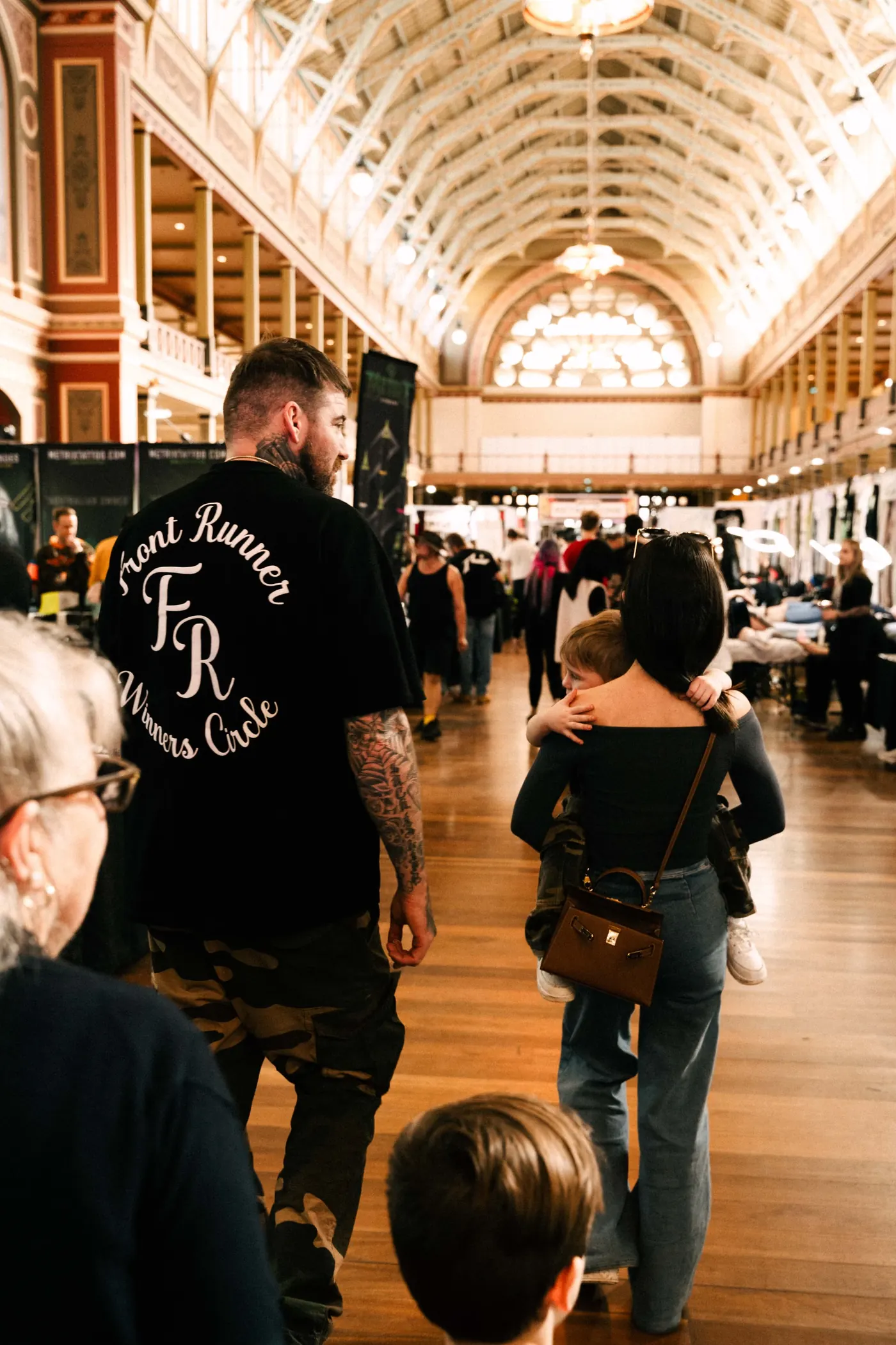
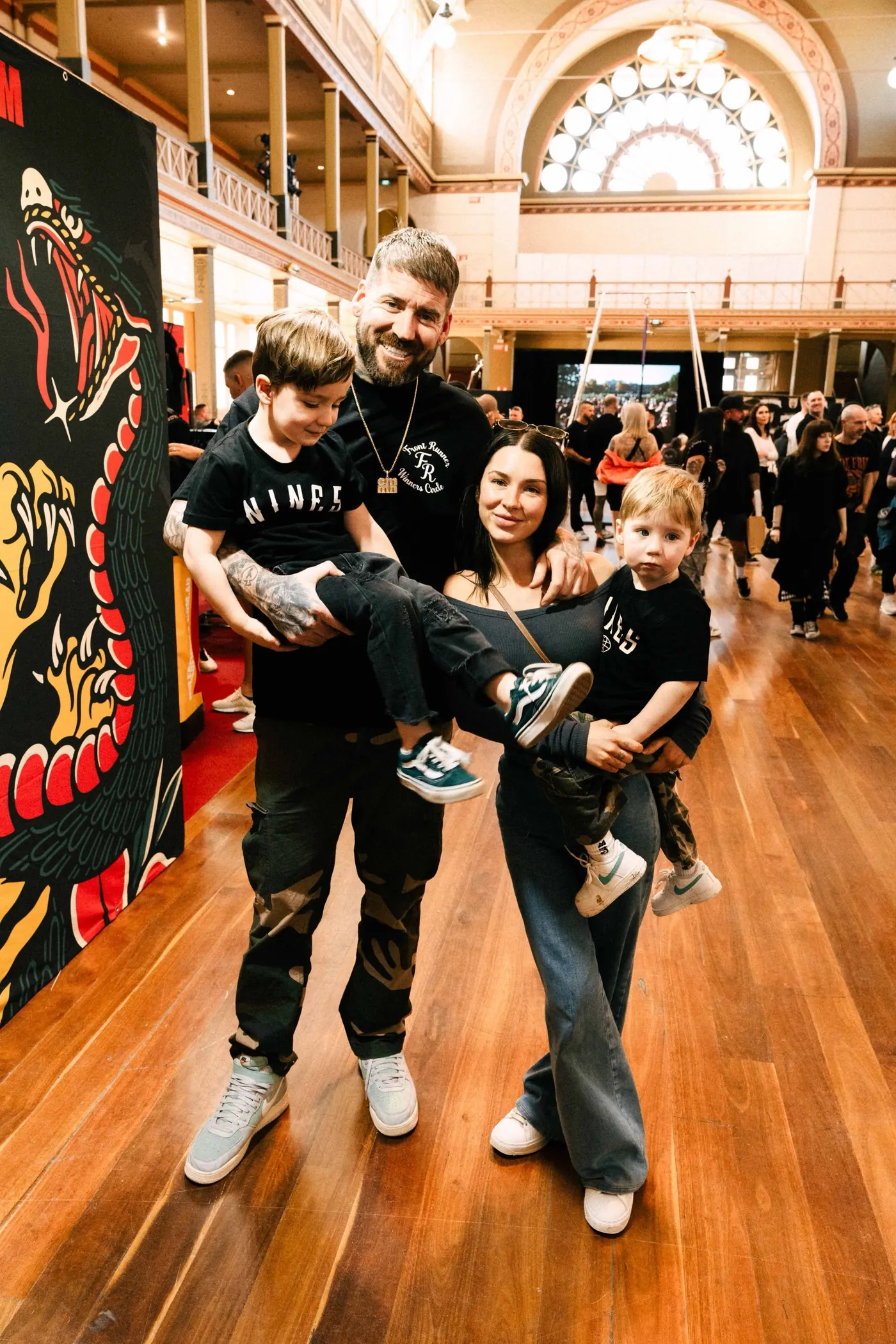
The long way back
"When you fall down in front of everyone," Kevin says, "you'll find there aren't too many standing next to you to help you up and keep walking with you."
"I was building a family business that would outlive me, one I'd hand down to my children. Now my wife, who stood by me and supported me, will help make sure that dream doesn't fade."
The show goes on. Or the shows, he says, which is the safer bet. He borrows a line: "Don't call it a comeback. He's been here for years."
There is a version of this story in which a man loses his company and spends the rest of his life litigating the loss, in court or in his own head. Kevin seems to have decided not to be that man.
"Things come and go, and we all know we won't take anything with us. We will leave a legacy behind. Whether two, ten or a million people know of that legacy, it's worth fighting for, protecting, and handing to your children."
"We're excited to be charging forward with our vision for the future of creative and unique events in Australia, and we will work relentlessly in the pursuit of reuniting communities."
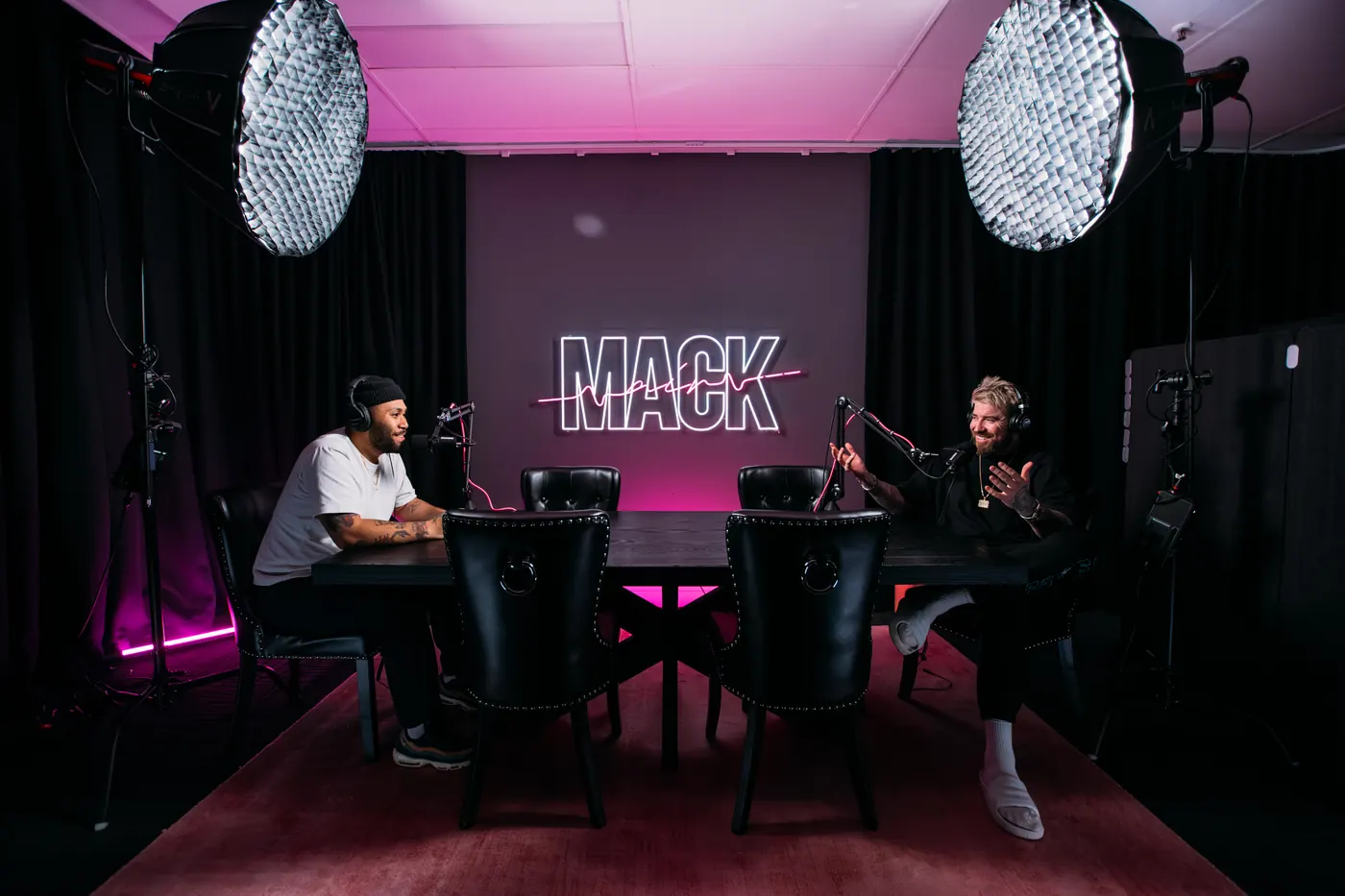
* Known at the time as ATE. Australian Exhibitions is used throughout.